
Business process outsourcing (BPO) enables small businesses to optimize processes, increase productivity, and significantly reduce costs. By implementing third-party service providers’ experience and resources, small companies may focus on innovation and growth while remaining competitive in an ever-changing business.
Outsourcing involves contracting tasks, processes, or services to external vendors rather than handling them in-house. These tasks can range from customer support and IT services to manufacturing and back-office functions.
Business Process Outsourcing (BPO) has become a prevalent strategy for small businesses aiming to streamline operations and reduce costs. However, before deciding on outsourcing, it’s crucial to conduct a cost-benefit analysis to assess its potential impacts.
Business Process Outsourcing can significantly impact small businesses‘ cost structure and operational efficiency. Conducting a thorough cost-benefit analysis helps make informed decisions, ensuring that outsourcing initiatives align with business objectives while delivering tangible benefits in cost savings, improved quality, and scalability.
By outsourcing tasks such as customer service, IT support, or accounting, small businesses gain access to specialized skills without the need to hire full-time employees.
Outsourcing tasks like data entry, payroll processing, or human resources administration can significantly reduce the need for additional office space, equipment, and infrastructure. Small businesses can redirect resources towards core activities, leading to cost savings.
BPO providers offer flexible pricing models, such as pay-per-use or subscription-based plans, allowing small businesses to scale services according to their needs and budget.
Businesses can better implement resources by assigning time-consuming work to BPO providers, enhancing productivity and cost savings.
BPO providers often have robust risk management systems to ensure service continuity and data security. Small businesses can leverage the expertise of BPO vendors to mitigate risks associated with regulatory compliance, cybersecurity, and operational disruptions.
As small businesses grow and develop, their demands change. BPO provides scalability and agility, allowing businesses to respond rapidly to changes in demand without incurring the fixed expenses associated with internal operations.
BPO opens up opportunities for small businesses to tap into a global talent pool. With the ability to outsource tasks to skilled professionals located anywhere in the world, businesses can benefit from cost-effective labor rates while still maintaining high-quality standards.
Business Process Outsourcing (BPO) has become a significant industry globally, providing various services to businesses ranging from customer support to finance and accounting. However, the profitability of venturing into the BPO sector is a common question among entrepreneurs.
Call centers profit by efficiently managing call volume, adhering to SLAs, providing quality service, and leveraging technology to enhance productivity and customer satisfaction. While they primarily focus on customer satisfaction, they also operate as profit centers through efficient management and a strategic system.
Call centers utilize various systems and processes to maximize efficiency and profitability:
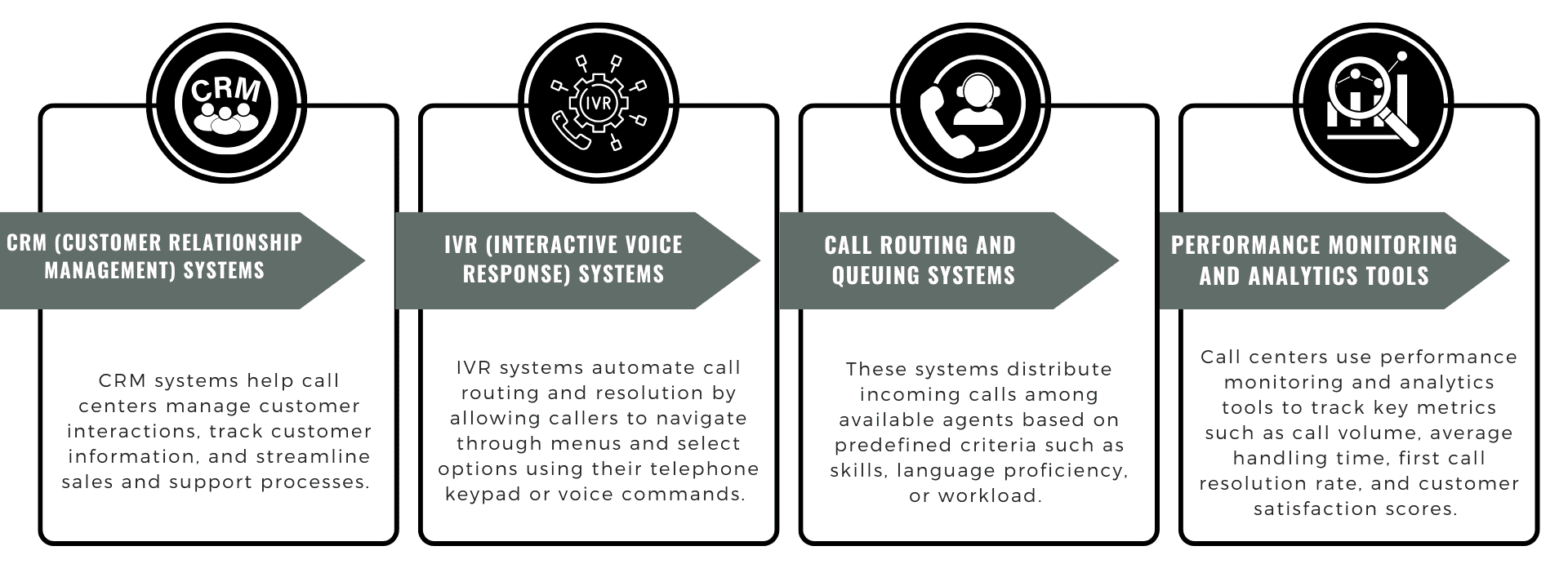
Call centers are essential hubs for customer service, sales, and support for various businesses. Their profitability hinges on several key factors:
In conclusion, call centers generate profit through service contracts, per-call charges, value-added services, efficiency improvements, upselling/cross-selling, maintaining long-term client relationships, and effective cost management strategies. Call centers can thrive in today’s competitive business environment by providing high-quality service and continuously optimizing operations.